
Spin Smarter With These Casino Slot Strategies
Did you know that a single spin on a modern casino slot machine can generate over a million possible outcomes? This happens because each reel is packed with virtual symbols, carefully programmed by a random number generator to ensure the results are totally unpredictable. The core benefit for you is pure, effortless excitement—just insert your wager, hit the spin button, and watch the reels align. To use it, you simply set your bet size and let the machine handle the rest, with bonus features like free spins and wild symbols often popping up to boost your payouts.
The Allure of Reels: Why Players Keep Coming Back
The allure of reels lies in their hypnotic rhythm; each spin is a micro-story of tension and release, with symbols aligning to trigger a dopamine hit regardless of the outcome. This near-miss psychology, where a cherry almost lands on a payline, keeps players chasing that fleeting victory. The unpredictable flash of lights and celebratory sound effects following a win create a sensory loop that is both familiar and thrilling. When reels start spinning, the world fades away, replaced by the singular focus of matching icons. It is this potent mix of instant gratification and the persistent hope for a jackpot that makes why players keep coming back so simple: every spin offers a fresh chance for a quick, emotionally-charged escape.
Psychological Triggers Behind Digital Spin Machines
Digital spin machines exploit variable ratio reinforcement, where unpredictable win timing releases dopamine more powerfully than fixed schedules. Near-misses—where symbols stop just short of a jackpot—trigger the brain’s reward circuitry as if a win occurred, fueling persistence. Losses disguised as wins (small payouts on losing bets) mask actual net loss while preserving engagement. Audiovisual cues, like celebratory sounds on small wins, condition expectation through sensory feedback, overriding rational cost-benefit analysis.
Variable ratio reinforcement, near-miss illusions, and masked losses compel continued play by hijacking dopamine pathways and distorting loss perception.
Near-Miss Effects and the Illusion of Control
Near-miss effects exploit the brain’s reward system by treating two matching symbols with a third just off as a near-win, which dopamine release interprets as progress rather than loss. In slots, this fuels an illusion of control, where players believe their button-timing or spin rhythm can nudge outcomes. This false agency makes near-misses feel like learning, not random failure. Players often increase bet size after a near-miss, convinced they are “due” a win.
Near-miss effects trick the brain into perceiving loss as skill-building, reinforcing the illusion that players can influence random slot spins.
Visual & Audio Design That Hooks Attention
The reels burst into life with cascading, jewel-toned symbols and fluid animations that create a sense of momentum before a single spin ends. A calibrated sensory feedback loop uses crisp, metallic clinks for wins and rising, euphoric tones as the bonus meter fills, hooking your brain with micro-rewards. Strategic silence or a sudden drop in bass before a jackpot hit amplifies the tension, making every near-miss feel exhilarating. This synesthetic design ensures the visual and audio track your dopamine, turning each spin into a quick, addictive performance.
Visual and audio design acts as a seductive loop, using rhythmic sound cues and vibrant motion to create an irresistible pull that keeps players locked on the reels.
Variety in Modern Slot Mechanics
Walking through the casino floor, you’ll notice today’s slots are nothing like the old one-liners. The heart of the action is variety in modern slot mechanics, turning every spin into a unique puzzle. One machine might use a cascading reels system, where winning symbols disappear and new ones fall in, creating chain reactions. Right next to it, a Megaways slot offers up to 117,649 ways to win, with the number of symbols on each reel changing on every spin. You might then find a cluster-pays game, ignoring traditional paylines entirely and rewarding groups of matching symbols touching horizontally or vertically. This sheer range means you can switch from a volatile, feature-heavy game to a simpler, lower-risk machine without leaving your seat, keeping the experience fresh and personalized to your mood.
Classic Three-Reel Versus Video-Style Formats
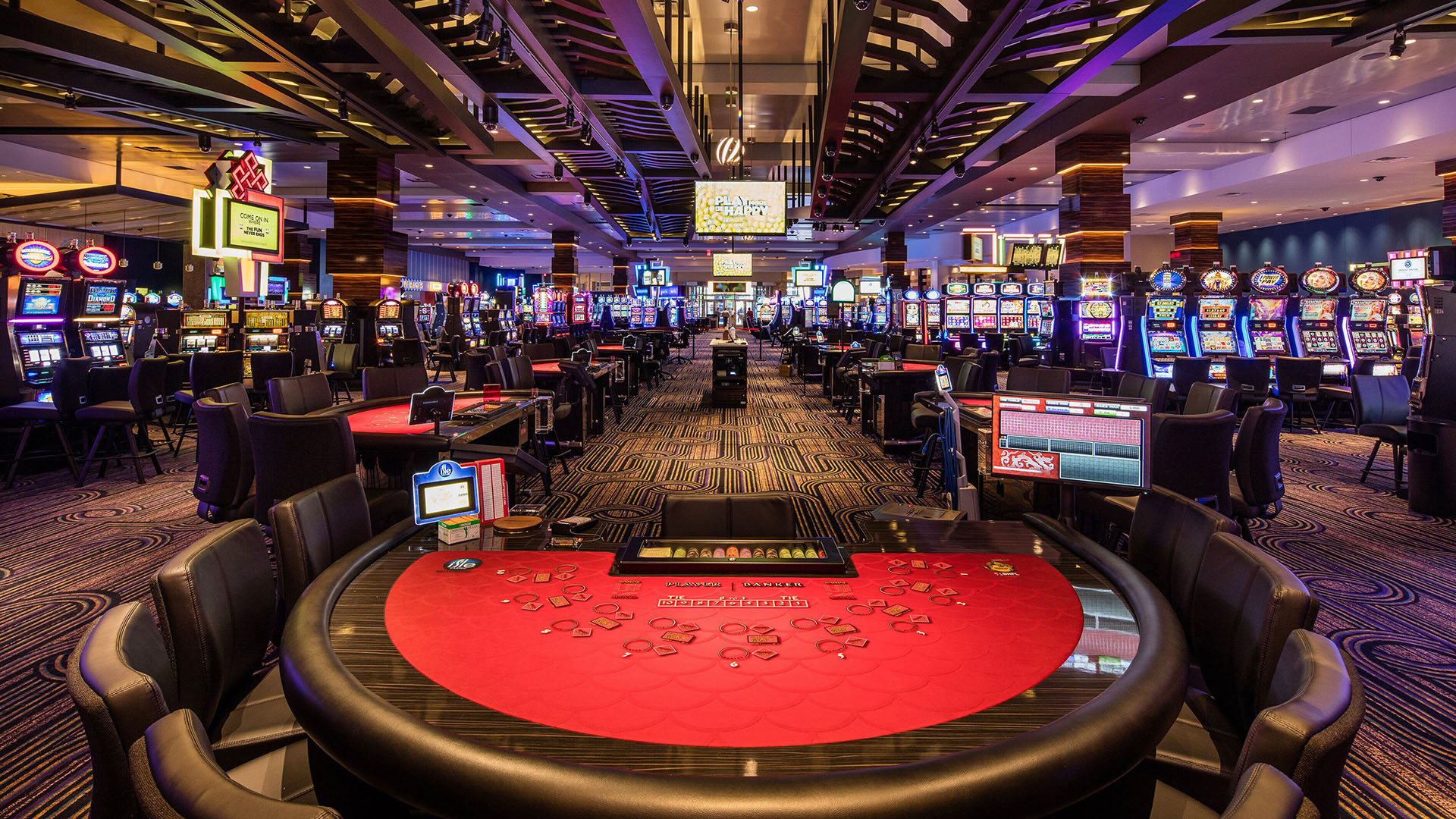
For straightforward action, classic three-reel slots deliver immediate clarity with their single payline and simple symbol matches. In contrast, video-style formats overwhelm players with cascading reels, cluster pays, and multi-level bonus rounds. The core distinction in player experience is this: classic formats reward rapid risk-reward decisions, while video slots demand attention to intricate mechanics. Choose based on your play style:
- Opt for three-reel when you want fast, uncomplicated rounds.
- Choose video-style for engaging, feature-rich sessions that stretch gameplay.
Each format serves a distinct purpose, so match the machine to your desired intensity. The right choice depends solely on your tolerance for complexity.
Cluster Pays, Megaways, and Non-Traditional Grids
Cluster Pays, Megaways, and Non-Traditional Grids break free from standard paylines. In cluster mechanics, symbols just need to touch vertically or horizontally—no fixed lines needed—creating wins from dense symbol groups. Megaways injects a dynamic reel structure, varying symbol positions on each spin, which can offer up to 117,649 ways to win. Non-traditional grids, like 5×5 or 6×8 layouts, often use cascade features where winning symbols vanish, allowing new ones to drop in for chain reactions. Each mechanic prioritizes unpredictability, rewarding patterns over positional accuracy.
Q: What makes Cluster Pays and Megaways different from regular slots?
A: Cluster Pays rewards touching symbol groups instead of line hits, while Megaways randomly changes the number of symbols per reel each spin, unlike fixed payline slots. Non-traditional grids combine these ideas with unique shapes and cascading wins.
Progressive Jackpots and Fixed Prize Structures
Modern slots offer distinct prize dynamics through progressive jackpots and fixed prize structures. A fixed prize structure pays a set multiplier or amount for each winning combination, providing predictable, consistent returns. Conversely, progressive jackpots pool a small percentage of each wager across a network, causing the top prize to inflate until won. This creates a volatile, life-changing potential versus the stable, repeatable wins of fixed paytables. What is the main trade-off between progressive jackpots and fixed prize structures in slot play? Progressives offer rare, massive payouts but lower base-game hit frequency, while fixed structures deliver frequent, smaller wins with known maximums.
Key Features That Define Gameplay Depth
Gameplay depth in slots is defined by layered volatility structures and interactive bonus mechanics rather than simple spin outcomes. Key features include cascading reels that remove winning symbols for consecutive payouts, multi-tiered free spins with progressive multipliers, and choice-based bonus rounds where player decisions influence risk-reward ratios. For example, hold-and-win mechanics with respins and symbol collection create strategic pacing. Q: Why does a cluster-pays system add depth? A: It forces pattern recognition and board management instead of passive line-betting. Without these decision-driven elements, a slot remains shallow regardless of visual themes or jackpot sizes.
Scatters, Wilds, and Multiplier Symbols Explained
Scatters, Wilds, and Multiplier Symbols are the engine of modern slot volatility, directly transforming static paylines into dynamic win potential. Wilds substitute for missing symbols to complete combinations, while Scatters trigger bonus rounds or free spins regardless of position. Multipliers amplify every win they touch, often stacking during feature rounds for exponential returns. Understanding how these three interact is key to maximizing slot payout potential.
- Scatters pay anywhere on the reels and unlock free spins or mini-games.
- Wilds expand or stack to cover entire reels, creating more winning paths.
- Multipliers apply an x2 to x5 boost to base wins or entire bonus rounds.
Free Spins Rounds and Bonus Mini-Games
Free Spins Rounds and Bonus Mini-Games are the core drivers of gameplay depth, transforming a simple spin into a layered experience. Unlocking a free spins round typically follows a clear sequence: landing three or more scatter symbols triggers the feature, awarding a set number of spins with potential multipliers or expanding wilds. Bonus mini-games often require collecting specific symbols to enter an interactive, pick-based challenge or a progressive ladder. Strategic retriggering of free spins during the main round is essential, as it can prolong the feature and multiply winnings significantly. These mechanics shift player focus from passive betting to active engagement with bonus systems, where each scatter or bonus symbol directly impacts potential payouts within the round.
- Trigger the round by landing the required scatter symbols on active paylines.
- During free spins, prioritize features that add extra spins or multipliers.
- In bonus mini-games, follow the on-screen prompts to maximize reward selections or collectibles.
Gamble Features and Risk-Reward Options
Gamble features in casino slots allow players to risk a recent win for a chance to double or quadruple it, typically through a card suit or color prediction. These risk-reward options present a binary choice: secure the payout or wager it for a higher multiplier. A common variant is the “ladder” gamble, where players climb tiers with escalating odds and payouts. Failing the gamble forfeits the entire staked win, returning to the base balance.
- Double-or-nothing card prediction often uses red/black or suit selection.
- Ladder gambles offer incremental multipliers with visible failure thresholds.
- Some slots cap the maximum number of consecutive gamble rounds allowed.
- Risk-reward options usually activate only after a winning spin, not during base play.
Understanding Return-to-Player Percentages
Return-to-Player (RTP) is the theoretical percentage of all wagered money a slot machine pays back over millions of spins, not a guarantee for your session. An RTP of 96% means the game keeps 4%, but this is a long-run average, not short-term reality. A key insight to remember:
RTP is calculated over infinite spins—your 100 or 1,000 spins are just a blip where volatility dominates.
Always check a slot’s RTP in its paytable or info screen, as identical titles can vary by casino. Higher RTP reduces the house edge slightly, giving your bankroll more theoretical staying power, but no single spin is ever “due” based on the percentage.
How RTP Math Affects Long-Term Outcomes
RTP math directly determines the average financial outcome over extended gameplay. A slot’s theoretical return-to-player percentage, such as 96%, means that for every $100 wagered, the machine is programmed to return $96 over millions of spins. This translates into a consistent house edge—in this case 4%—which steadily erodes a player’s bankroll. The shorter the session, the more volatile the results; however, long-term outcomes inevitably converge toward the stated RTP. Players choosing higher RTP slots face a slower, more predictable decline in funds, while lower RTP slots accelerate losses over many rounds.
- Higher RTP reduces the house edge, preserving bankroll over thousands of spins.
- Lower RTP ensures faster depletion of funds once the law of large numbers takes effect.
- Session variance can mask RTP effects briefly, but long-term play reveals the exact mathematical loss rate.
Volatility Levels: Low, Medium, and High Risk
Volatility levels show you the risk tied to a slot’s payout pattern. Low risk slots give frequent, small wins, perfect if you want to stretch your bankroll without big swings. Medium risk balances moderate wins with occasional dry spells, offering a middle ground. High risk machines deliver rare but massive payouts, ideal for thrill-seekers willing to chase jackpots. To pick your fit, follow this simple sequence:
- Check the game info or demo for volatility rating.
- Match your bankroll and session length to the level—low for long play, high for quick shots.
- Test a few spins to feel the rhythm before committing real cash.
The gap between a low-risk trickle and best online casinos a high-risk drought can make or break your session. Your choice directly shapes how often you win and how much those wins are worth.
Hit Frequency Versus Payout Size Trade-Offs
Players face a direct trade-off: machines with high hit frequency versus payout size deliver frequent small wins but rarely trigger life-changing sums. Conversely, low-hit-frequency slots bank on infrequent yet massive jackpots, risking long dry spells. A high-volatility slot might pay 500x your bet once every 5,000 spins, while a low-volatility machine returns 0.5x on every third spin. Choosing between steady bankroll preservation and chasing elusive multipliers defines your session’s risk profile. Below, a clear comparison:
| Hit Frequency | Payout Size | Player Experience |
|---|---|---|
| High (30-50%) | Small (0.2x-2x bet) | Extended play, rare large wins |
| Low (5-15%) | Large (100x-10,000x) | Short bursts, potential for big hits |
Themed Experiences and Narrative Design
Themed Experiences and Narrative Design in casino slots transform spinning reels into immersive stories. Rather than random symbols, you follow a hero through a pyramid or solve a mystery with each bonus round. The narrative unfolds through progressive animations and character dialogue, making every win feel like a plot advancement. A slot with a clear beginning, middle, and end hooks you emotionally, turning a simple spin into a chapter of an adventure.
The best narrative slots don’t just look good—they make you feel invested in what happens next, even if the outcome is random.
This design keeps your attention on the story, not the odds, so the gameplay feels more like a game than a gamble.
Pop Culture Licensing: Movies, Music, and TV Icons
Pop Culture Licensing adapts iconic movies, music, and TV shows into slot themes by weaving their original audio, character likenesses, and pivotal scenes directly into gameplay mechanics. A slot based on a blockbuster film might trigger a bonus round using a digitized clip from the movie, while a music-themed machine can incorporate a band’s hit song as a free-spins soundtrack. TV sitcoms often generate unique reel symbols from catchphrases or props. These elements create a licensed narrative alignment where player decisions, like choosing a character for a bonus, must match the source material’s lore to trigger higher payouts.
Pop Culture Licensing merges film, music, and TV assets with slot mechanics, using authentic audiovisual cues to drive narrative-specific bonus events.
Historical, Mythological, and Fantasy Storylines
Historical, Mythological, and Fantasy Storylines transport players beyond the reels into richly woven worlds where symbols become chapters. A pharaoh’s curse might trigger a **book-of-death free spins round**, while Norse gods clash during a Ragnarök bonus. Fantasy slots often layer progressive quests, where unlocking a dragon’s lair upgrades wild multipliers. These narratives transform a simple spin into a role-playing act, where your choice of bet influences the mythic path you follow. Thematic cohesion is critical: a Medieval castle scatter should summon armored knights, not random fruit icons.
Q: How do these storylines directly affect win potential?
A: They gatekeep special features—landing Cleopatra or Merlin scatter symbols often unlocks narrative-specific bonus rounds with fixed multipliers, making the story arc a literal key to higher payouts.
Seasonal Events and Limited-Time Thematic Releases
Seasonal events transform familiar slot reels with exclusive holiday bonuses, like Halloween wild multipliers or Christmas progressive jackpots. Limited-time thematic releases, such as a summer beach party slot, inject urgency through exclusive timed rewards that disappear after the event ends. These releases often tie specific symbols or mini-games to the occasion, creating a fresh challenge. Players must act fast, as the themed content—like spooky free spins or festive scatter pays—vanishes when the calendar flips, offering a dynamic, never-repeated experience.
Mobile Play and Touchscreen Optimization
On mobile, the slot experience hinges entirely on how well a game handles touchscreen optimization. The spin button should be large and placed within your thumb’s natural reach, avoiding accidental taps during a bonus round. Smooth mobile play means responsive swiping for paytable navigation and gestures like a two-finger pinch to adjust bet size without cluttering the interface. Reels must spin with crisp animations that don’t stutter on smaller screens, and autoplay controls should be easy to toggle with one hand. Without these refinements, even a great slot feels frustrating on a phone.
Responsive Layout for Smartphones and Tablets
Responsive layout for smartphones and tablets ensures a slot game’s interface dynamically adjusts to varying screen sizes without losing functionality. On portrait-oriented phones, the reels, spin button, and paytable collapse into a vertically stacked, thumb-friendly grid. Tablets in landscape mode leverage the extra width to display the full game matrix alongside side panels for autoplay or bet adjustments. Touch targets are enlarged to prevent accidental taps. This fluid grid flexibility eliminates horizontal scrolling and preserves asset clarity, as viewport breakpoints are scripted to rescale graphics and text ratios specifically for handheld play.
One-Handed Operation and Gesture Controls
Modern slot games now integrate one-handed gesture controls that let you spin, adjust bets, and trigger bonus features without shifting your grip. A simple upward swipe might activate a free spins round, while a pinch gesture adjusts your coin size instantly. This eliminates the need for tiny button taps, allowing fluid play during commutes. Developers map common actions like betting or auto-spin to thumb-friendly zones, ensuring the interface feels intuitive even on a moving train. The result is a responsive, tactile experience where your thumb’s micro-movements replace frantic multi-finger precision, keeping the game flowing naturally in one hand.
Battery Life and Data Usage Considerations
Extended play of mobile casino slots can rapidly deplete battery life, especially with graphically rich animations and haptic feedback enabled. To mitigate this, users should first reduce screen brightness and close background apps. A clear sequence for optimizing performance includes:
- Lowering the game’s visual quality settings within the app, as high frame rates drain the battery faster.
- Disabling data-heavy features like live dealer streams or automatic reel previews when on a cellular connection.
- Employing the device’s low-power mode to throttle CPU usage during spin sessions.
Prioritizing data usage management via offline spin modes conserves mobile bandwidth, preventing unexpected overage charges during prolonged gambling sessions.
Bankroll Management for Spin Sessions
Effective bankroll management for spin sessions begins with dividing your total session funds into smaller, per-spin amounts. A common practical method is the one-percent rule: never wager more than 1% of your session bankroll on a single spin. This ensures you can endure losing streaks without depleting your funds prematurely. For example, with a $100 session budget, your maximum spin should be $1. Question: How many spins should you plan for per session? Answer: Calculate your session budget divided by your per-spin bet to determine a safe number of spins, which helps you pace play and avoid chasing losses. Always set a loss limit (e.g., 50% of your session bankroll) to stop the session automatically, preserving money for future play.
Setting Loss Limits and Win Targets
Establishing a hard loss limit before a spin session is non-negotiable; it means walking away the moment you lose that predetermined amount, protecting your bankroll from a single catastrophic session. Simultaneously, set a clear win target—a specific profit percentage where you lock in your gains and stop playing. This dual strategy prevents the common trap of chasing losses or greedily giving back wins. Practicing disciplined exit strategies directly on these two numbers transforms volatile slot play into a controlled, session-based habit, ensuring longevity and preventing emotional decision-making from eroding your funds.
Choosing Bet Sizes Based on Bankroll Size
For spin sessions, selecting bet sizes directly from your total bankroll ensures session longevity. A common rule is that each spin bet should represent no more than 1% to 2% of your session bankroll. This prevents rapid depletion during dry streaks on high-volatility slots. Betting higher percentages forces you to rely on hitting an early major win to extend play, which is statistically improbable. This calculated sizing allows enough spins to survive variance and potentially reach a payout window.
- Divide your session bankroll by 100 for the maximum single-spin figure (1% rule).
- Adjust the percentage downward for high-volatility slots to avoid overexposure.
- Never increase your base bet after a loss in an attempt to chase; this breaks bankroll discipline.
Session Duration and Break Reminders
In spin sessions, pre-set session duration limits are a critical tool to prevent rapid bankroll depletion. Players often lose track of time during continuous play, leading to impulsive decisions. By defining a strict time cap—such as 30 minutes—before starting, you impose a forced pause. Break reminders, triggered via phone alarms or browser notifications, serve as objective stopping cues. They interrupt the psychological momentum of chasing losses or a hot streak. Adhering to these timers forces you to evaluate your financial state and emotional clarity before potentially continuing, effectively separating individual spin sessions from one another.
Bonus Offers and Promotional Strategies
Bonus offers for casino slots typically include welcome packages that match a deposit with bonus funds, often supplemented by free spins on selected games. Promotional strategies like reload bonuses and cashback offers provide ongoing value, while loyalty programs reward frequent play with exclusive spins. To maximize these offers, always check wagering requirements—the playthrough condition that must be met before bonus winnings become withdrawable. Additionally, time-limited tournaments with prize pools can boost engagement, but read the terms to see which slot titles contribute fully to the bonus turnover.
Free Spins No Deposit Versus Wagering Requirements
Free spins no deposit offers seem like a no-brainer, but their true value hinges entirely on wagering requirements. A flashy 50 free spins might sound amazing, yet if they come with a 60x playthrough, you’ll need to bet your winnings sixty times before cashing out. Lower wagering requirements, ideally under 30x, make free spins far more practical for real play. Always check the max cashout cap too, as slots with high volatility can eat through your bonus balance fast. Prioritize low wagering requirements on free spins no deposit to actually walk away with profits from your free play.
Free spins no deposit are only as good as their wagering requirements: low playthrough and reasonable max cashouts turn a free offer into real slot wins.
Match Bonuses and Reload Incentives

Match bonuses instantly multiply your deposit—if you drop $50 on a 100% match, you spin with $100. Reload incentives refresh this boost on subsequent days, often at lower percentages like 50%. To maximize, follow this sequence:
- Activate the offer in your account’s promo section.
- Deposit the minimum required amount.
- Check the wagering requirements before locking in wins.
Always prioritize reloads tied to your favorite slot titles, as these targeted deals yield faster playthrough.
Loyalty Programs and Cashback on Net Losses
Loyalty programs in casino slots convert your play into tiered perks, but the key value lies in cashback on net losses. This refunds a percentage of your actual lost funds over a set period, directly reducing your financial risk. For example, a typical cycle might involve:
- You play slots and incur a net loss during a week.
- The casino calculates 10-20% of that loss.
- The cashback is credited as bonus funds or withdrawable cash.
This transforms a losing session into a strategic safety net rather than a sunk cost. Focus on programs offering daily or weekly cashback on net losses—these provide the most practical, immediate cushion for your slot bankroll.
Regulation and Fair Play Standards
In the dim glow of a casino floor, every spin of the slot reels is a silent contract between you and the house—a pact governed by Regulation and Fair Play Standards. These rules ensure that the Random Number Generator inside the machine isn’t rigged mid-spin; it’s independently tested by bodies like eCOGRA or GLI to guarantee that each outcome is truly random, not a trick. You can trust that your odds aren’t secretly lowered after a big win.
Without these standards, the reels would just be spinning theater—fair play turns the gamble into an honest game, not a hidden trap.
Next time you pull the lever, remember: that stamp of approval on the screen isn’t decoration—it’s the reason you can count on a fair spin, every time.
RNG Certification and Independent Audits
RNG certification ensures every slot spin is truly random, not rigged by the casino. Independent audits from firms like eCOGRA or GLI verify this by testing the random number generator against technical standards. You can check for a certified RNG seal in the slot’s footer or game info—it guarantees no one, including the operator, can predict or alter outcomes. What does an independent audit actually check for a slot? It runs millions of simulations to confirm the RNG produces mathematically fair results, matching the stated return-to-player percentage across all paylines.
Jurisdictional Licensing and Responsible Gaming Tools
Jurisdictional licensing ensures a slot’s random number generator is independently certified within a specific legal framework, directly enforcing payout percentages and game integrity. Responsible gaming tools, such as session timers, deposit caps, and self-exclusion options, are then mandated by that license’s conditions to mitigate player risk. These tools are not optional; they are a licensing compliance requirement for any regulated slots platform. Q: How does a jurisdiction license affect available responsible gaming tools? A: The license dictates which specific tools—like mandatory loss limits or cooling-off periods—must be offered, and failure to provide them can revoke the operator’s right to host legal slot games.
Age Verification and Self-Exclusion Options
Before spinning the reels, reputable slot sites enforce strict age verification checks to ensure no minor accesses gameplay, typically requesting ID or a credit card match. If you ever feel your play is becoming problematic, robust self-exclusion options let you lock your account for days, months, or even years with a single toggle. This tool instantly stops all deposits and play on slots, giving you full control over your habits without needing to contact support.
- Submit a government ID or utility bill to confirm you are over 18 before the first spin.
- Activate self-exclusion for a cooling-off period of 24 hours to 6 weeks from your account dashboard.
- Permanent self-exclusion blocks all slot access and prevents new account creation using your details.
- Receive real-time reminders about your exclusion expiration if you choose a timed ban.
Emerging Trends in Digital Reel Innovation
Modern digital reel innovation now employs adaptive symbol stacking, where reel sets dynamically reorganize based on a player’s historical spin patterns, offering tailored volatility within a single session. Q: How does this change payline strategy? A: It shifts focus from static paylines to evaluating real-time cluster potential formed by the adaptive reels. This technology also introduces “morphing reels” that physically alter their core mechanics—for instance, shifting from 243-ways to a Megaways structure mid-spin—without a round reset, directly impacting how you calculate expected hit frequency on the fly.
Crypto and Blockchain-Based Slot Platforms
Crypto and blockchain-based slot platforms are redefining digital reel innovation by integrating provably fair algorithms directly into game code, allowing players to independently verify each spin’s outcome. Transactions occur via cryptocurrencies, enabling instant deposits and withdrawals without traditional banking delays. Smart contracts automate payouts, eliminating manual processing for wins. These platforms support unique in-game features like tokenized jackpots or NFT-based reel symbols that persist across sessions. A key advantage is instant verification of spin fairness, which builds trust without relying on third-party auditors.
- Each spin’s hash is publicly recorded on the blockchain for player verification.
- Wallets allow direct, wallet-to-game interaction with no account registration required.
- Provably fair algorithms adjust reel outcomes based on on-chain seed generation.
Skill-Based Elements and Interactive Decision Points
Modern slots now incorporate skill-based bonus rounds that replace pure luck with active player control. You might aim a crosshair to shoot targets or time button presses to land multipliers, directly impacting payout size. Interactive decision points let you choose risk-reward paths, such as selecting a high-volatility chest for a big win or a safe, small prize. These features demand real-time reflexes and strategy, making each spin feel less passive and more like a mini-game where your choices—not just chance—determine the outcome.
Virtual Reality and Immersive 3D Environments
Players now enter a fully rendered casino floor via a VR headset, walking between slot machines to pull virtual levers. Immersive 3D environments transform the reels into interactive worlds where symbols pop off the screen, and a 360-degree gaming interface tracks the player’s head movement. To engage with such slots, the user follows a clear sequence:
- Don a VR headset and calibrated controllers.
- Select a slot machine from a lobbyless 3D hub.
- Use gaze or a physical gesture to spin the reels within the persistent virtual space.
Sound and haptic feedback are spatially mapped to the reel’s position, creating a presence that traditional flat screens cannot replicate.
